Source Thermal Ski Socks for Winter Sports, Training, and Daily Wear
Explore 30 thermal ski sock options featuring thick cotton and spandex blends for high elasticity and breathability. Compare compression knee-high styles with anti-slip and anti-bacterial features suitable for skiing, yoga, and cycling activities; compare the available evidence and request quotations based on your requirements.
Key considerations
Products List


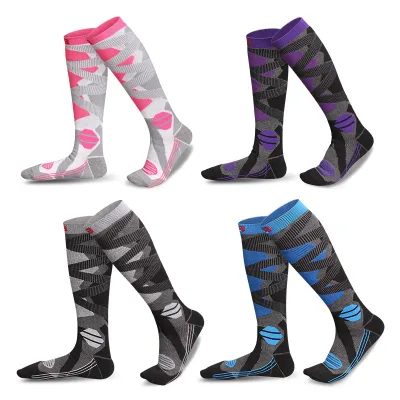


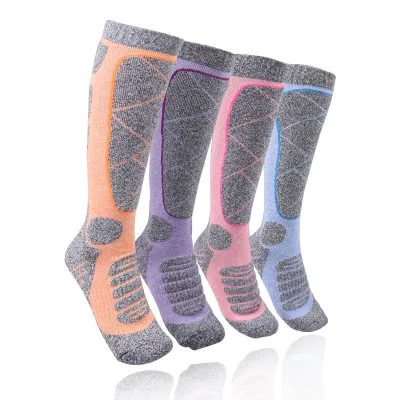


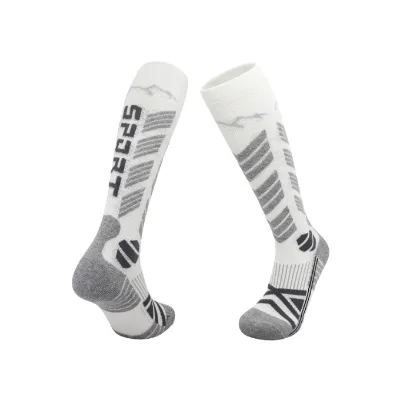


Comprehensive Sourcing Guide
Thermal Ski Sock Sourcing Guide
Procuring thermal ski socks requires distinguishing between general winter hosiery and specialized compression gear designed for high-altitude sports. The observed market data indicates a clear segmentation where products range from basic cotton blends to advanced synthetic blends featuring high elasticity and specific thermal properties. Buyers must verify whether the listed "Thickening" attribute refers to a towel-bottom construction or a dense knit, as this directly impacts warmth retention and moisture management during prolonged exposure to cold environments.
Commercial listings reveal a diverse range of customization options, including logo placement on the cuff and various pattern types like geometric or jacquard embroidery. While some items are marketed as eco-friendly and anti-bacterial, others emphasize high sweat absorption and sporty aesthetics suitable for activities like yoga or cycling. Sourcing strategies should prioritize suppliers who can clearly articulate the material composition, such as the observed polyester and spandex blends, to ensure the final product meets the specific thermal and compression requirements of the target winter sports demographic.
Product Scope and Observed Listing Signals
The current market inventory for thermal ski socks demonstrates significant variation in material composition, with some listings specifying cotton while others rely on polyester and spandex blends. This divergence suggests that buyers must carefully scrutinize product descriptions to confirm the intended use case, as cotton may offer comfort but lacks the moisture-wicking efficiency required for high-intensity skiing. The presence of "High Elasticity" and "Thickening" attributes signals a focus on compression and insulation, yet the specific performance of these features depends heavily on the underlying fiber blend and knitting technique employed by the manufacturer.
Listing signals also highlight a broad spectrum of style and function, ranging from standard thermal socks to specialized ski stockings with anti-slip and anti-foul properties. Some products are explicitly designed for unisex adults and children, while others target specific occasions like football, basketball, or yoga, indicating a potential overlap in product utility that buyers must navigate. The availability of customization and in-stock items suggests a flexible supply chain, but the observed price range of 0.51 to 26 USD reflects the wide disparity in quality, material density, and brand positioning that exists within this category.
Technical Specifications to Verify
Buyers must rigorously verify the thickness and dimensional specifications, as the observed data includes conflicting measurements such as 25cm, 27cm, and 29cm alongside a general "26-28 cm" foot length range. These variations likely correspond to different sizing standards or specific model numbers like HT250609 and 33121, necessitating a clear definition of the target size chart before placing an order. Confirming the exact single package size and gross weight is equally critical for logistics planning, as discrepancies in these figures can lead to unexpected shipping costs and storage inefficiencies.
The technical construction of the sock, including the "knitted" technique and specific features like "High Sweat Absorbent" capabilities, must be validated against the intended performance metrics. While some listings mention "Towel Bottom" construction for added warmth, others focus on "Compression" and "Anti-Bacterial" properties, requiring buyers to request physical samples to assess the actual density and texture. Verification of the needle detection process and the specific printing methods, such as heat-transfer printing, ensures that the decorative elements will not compromise the structural integrity or thermal performance of the garment during rigorous use.
Compliance and Safety Documentation
Safety and compliance in the textile sector often hinge on the verification of material safety and manufacturing standards, particularly for products claiming to be eco-friendly or anti-bacterial. Buyers should request documentation confirming that the dyes and finishes used in the production of these thermal socks meet international safety regulations, especially given the direct skin contact involved in winter sports apparel. The presence of a "Needle detection" attribute in the listing suggests a commitment to physical safety, but this must be supported by formal audit reports or third-party testing certificates to ensure the integrity of the supply chain.
Regulatory compliance also extends to the labeling and packaging standards, which must accurately reflect the product's origin and material composition as observed in the Jiangsu, China listings. Buyers need to ensure that the "25cm/27cm/29cm" standard mentioned in the specifications aligns with the labeling requirements of their target market, avoiding potential customs delays or legal issues. Furthermore, any claims regarding the "Anti-Foul" or "Anti-Bacterial" nature of the socks should be backed by recognized laboratory test results, as these are performance claims that require substantiation to maintain brand credibility and consumer trust.
Cost Drivers and Commercial Terms
The cost of thermal ski socks is heavily influenced by the complexity of the material blend, with polyester and spandex combinations generally commanding higher prices than basic cotton options. The observed price range of 0.51 to 26 USD indicates that factors such as the "Thickening" level, the inclusion of compression technology, and the specific knitting techniques significantly impact the final unit cost. Buyers should analyze the trade-off between the "High Elasticity" and "Thermal" features against the budget, understanding that premium performance attributes often require a higher investment in raw materials and specialized manufacturing processes.
Commercial terms and payment structures play a pivotal role in the overall procurement strategy, with suppliers offering options like Trade Assurance, T/T, and PayPal to mitigate risk. The Minimum Order Quantity (MOQ) ranges from 2 to 3000 units, providing flexibility for both small-scale testing and large-volume distribution, but this variability requires careful negotiation to align with inventory constraints. Additionally, the availability of samples within 24 hours and the specific packing dimensions of 72.532.550 Cm must be factored into the total landed cost calculation to ensure that the financial terms remain competitive and sustainable for the buyer's business model.
Supplier Qualification and Quality Control
Supplier qualification for thermal ski socks should prioritize manufacturers with a proven track record in producing compression and thermal wear, as evidenced by the diverse model numbers and specific technical attributes listed. Buyers must verify the supplier's capacity to handle customization requests, such as logo placement on the cuff and specific pattern types like jacquard embroidery, without compromising the structural integrity of the sock. The observation of "In-Stock Items" suggests a ready supply, but it is essential to confirm that the supplier can maintain consistent quality across different batches, especially when dealing with complex material blends like polyester and spandex.
Quality control protocols must be robust, focusing on the verification of elasticity, thickness, and the durability of the anti-slip and anti-bacterial treatments. The presence of needle detection in the listing is a positive indicator, but buyers should insist on a comprehensive quality assurance plan that includes random sampling and stress testing of the finished products. Given the "High Elasticity" requirement, suppliers must demonstrate their ability to maintain consistent tension and fit across the entire production run, ensuring that the socks provide the necessary compression and support for winter sports activities without losing their shape over time.
Long-Term Procurement Checks
Establishing a long-term procurement relationship for thermal ski socks requires a commitment to continuous quality monitoring and supply chain transparency. Buyers should implement regular audits to ensure that the supplier maintains the specified material standards, such as the polyester and spandex blends, and continues to meet the "Thickening" and "Thermal" performance expectations over time. The dynamic nature of the winter sports market means that product specifications may need to evolve, so maintaining open communication channels with the supplier is crucial for adapting to new trends and consumer demands.
Sustainability and ethical manufacturing practices are becoming increasingly important in the textile industry, and buyers should verify that their suppliers adhere to these principles as part of their long-term strategy. The "Eco-Friendly" attribute observed in some listings suggests a growing market demand for sustainable products, and suppliers who can provide evidence of responsible sourcing and production methods will be better positioned for future growth. Regular reviews of the supplier's performance, including their ability to meet lead times and handle customization requests, will help ensure a stable and reliable supply of high-quality thermal ski socks for the long term.
FAQs
What sizes are available for these thermal ski socks?
These thermal ski socks are offered in 25cm, 27cm, and 29cm standard sizes, with foot lengths of 26-28cm fitting most adults. The sizing covers typical adult feet, and customization is available if you need different measurements. Confirm your size breakdown with the supplier before ordering, since each model may stock different size combinations.
Can I customize the logo and design on thermal ski socks?
Yes, customization is available, and the logo is typically placed on the cuff. Heat-transfer printing and jacquard embroidery are the supported techniques, and knitted construction allows patterned designs. You can usually submit artwork for a sample before bulk production, so verify sample turnaround and customization fees with the supplier when requesting a quote.
How warm are cotton thermal ski socks for winter sports?
These socks use thickened cotton construction with thermal function designed for winter skiing and outdoor use. The tall height covers the calf, and the material provides high elasticity for a snug fit inside ski boots. Breathable fibers help manage sweat, though actual warmth depends on boot fit and activity level, so layering choices still matter.
Which features make these socks suitable for skiing and other sports?
The socks combine thermal insulation, anti-slip grip, breathability, and high sweat absorbency, making them versatile for football, basketball, yoga, cycling, and workouts beyond skiing. Anti-bacterial and anti-foul properties help with odor control during extended wear. The sporty compression style with knee-high cut supports circulation during long days on the slopes.
How should I care for thermal ski socks to keep them effective?
Wash these cotton and spandex blend socks in cool water and air dry them to preserve elasticity and thermal performance. Avoid high-heat drying, which can degrade the stretch fibers and reduce the snug fit inside ski boots. Turning them inside out before washing helps maintain the knit structure and any printed or embroidered details.
What is the material composition of these thermal ski socks?
The main materials are cotton, or a polyester and spandex blend depending on the model, giving a balance of warmth, stretch, and durability. Spandex provides the high elasticity needed to keep the sock in place during movement. Check the specific model listing, since composition can vary between the available product variants.
Can children and adults both wear these thermal ski socks?
Yes, some models are rated as unisex for both adults and children, while others target adults specifically. The 25cm, 27cm, and 29cm size options help match different leg lengths and foot sizes within a family or group. Verify the size chart against actual measurements before ordering, since fit inside ski boots is critical for comfort.